Meatal Stenosis
Evaluation and management of Meatal Stenosis, a condition involving narrowing of the urethral opening that causes thin urine stream, spraying, and difficulty in urination.
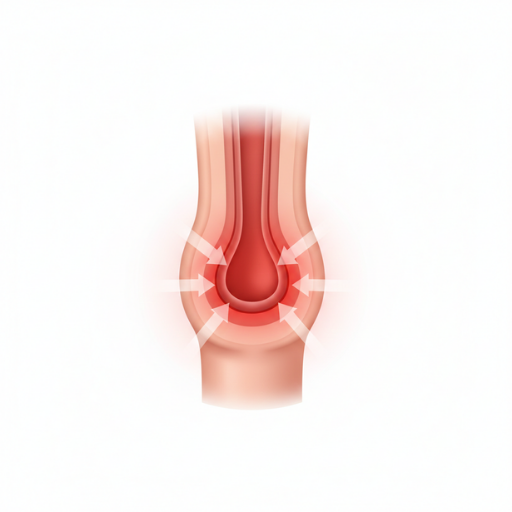
🔹 Meatal Stenosis
Meatal stenosis is a condition in which the urethral opening (meatus) at the tip of the penis becomes narrowed, leading to difficulty in normal urine flow. This narrowing may occur due to inflammation, infection, irritation, or previous procedures. Patients may experience a thin or upward-spraying urine stream, difficulty directing urine, prolonged urination time, burning sensation during urination, or straining while passing urine. In some cases, incomplete bladder emptying or recurrent urinary infections may also occur. Early recognition of these symptoms is important for timely diagnosis and proper management.
🔹 Diagnosis and Treatment Options
Proper diagnosis of meatal stenosis involves a detailed medical evaluation, including physical examination of the urethral opening and assessment of urinary symptoms. Diagnostic tests such as urine analysis, uroflowmetry, or ultrasound may be recommended to evaluate urine flow and rule out associated complications.
Treatment depends on the severity of narrowing and may include medications to reduce inflammation, supportive care, or minor procedures to widen the urethral opening and restore normal urine flow. With timely and appropriate medical care, meatal stenosis can be effectively managed, improving urinary comfort and preventing long-term complications.
Meatal Stenosis Treatment
Meatal stenosis, characterized by narrowing of the urethral opening (meatus) leading to thin or upward-spraying urine stream, difficulty in urination, burning sensation, or prolonged urination time, requires timely and specialized care. At Kahalekar Urology Care – Ayurvedic Urology Specialist in Nanded, Dr. Sunil Kahalekar provides personalized and effective treatment for patients suffering from meatal stenosis using advanced diagnostic evaluation and holistic Ayurvedic management.
With a focus on identifying the root cause of narrowing, reducing inflammation, promoting natural tissue healing, and restoring smooth urine flow, Dr. Sunil Kahalekar delivers safe, non-surgical, affordable, and result-oriented care for patients experiencing meatal stenosis in Nanded and surrounding areas.
Symptoms of Meatal Stenosis
Patients suffering from meatal stenosis may notice symptoms related to narrowing of the urethral opening. Common signs include a thin or narrow urine stream, upward or spraying urine flow, difficulty directing urine, prolonged urination time, and straining while passing urine. Some individuals may also experience a burning sensation or mild discomfort during urination.
Other noticeable symptoms include frequent urination, irritation at the tip of the penis, and a feeling of incomplete bladder emptying. In more severe cases, significant narrowing can lead to worsening obstruction, urinary retention, or recurrent urinary tract infections. Early identification of these symptoms is important for timely diagnosis and effective management, helping to prevent complications and maintain proper urinary function.
Causes of Meatal Stenosis
Meatal stenosis occurs due to narrowing of the urethral opening (meatus), which can obstruct normal urine flow. This narrowing is usually caused by irritation, inflammation, or scar tissue formation at the tip of the urethra. Several underlying factors may contribute to the development of this condition. Common causes include:
-
Chronic Irritation: Repeated irritation from diapers (in children), poor hygiene, or chemical exposure may lead to inflammation and narrowing.
-
Infections: Recurrent urinary tract infections (UTIs) or local infections can cause swelling and scar formation at the urethral opening.
-
Post-Circumcision Changes: In some cases, meatal stenosis may develop after circumcision due to exposure-related irritation or healing changes.
-
Inflammatory Conditions: Ongoing inflammation of the urethral opening can gradually cause tightening and narrowing.
-
Previous Instrumentation or Trauma: Catheter use or minor injuries to the urethral opening may result in scar tissue formation.
-
Congenital Factors: Rarely, some individuals may be born with a naturally narrow urethral opening.
Identifying the exact cause of meatal stenosis is important for accurate diagnosis and appropriate treatment planning. Early medical evaluation helps prevent complications such as urinary obstruction, recurrent infections, or bladder-related problems.
Diagnosis of Meatal Stenosis
Accurate diagnosis is essential to determine the severity of narrowing at the urethral opening (meatus) and to guide effective treatment. At Kahalekar Urology Care – Ayurvedic Urology Specialist in Nanded, a comprehensive approach combining modern diagnostic techniques and Ayurvedic evaluation methods is used for precise assessment and personalized care.
Modern Diagnostic Methods:
-
Physical Examination: Careful inspection of the urethral opening to assess visible narrowing and evaluation of urinary symptoms.
-
Urine Tests: Urine analysis and culture to detect infection or inflammation.
-
Uroflowmetry: Measures the rate and pattern of urine flow to assess the impact of meatal narrowing.
-
Ultrasound Imaging: Evaluates bladder emptying and checks for residual urine or related complications.
-
Additional Evaluation (if required): Further tests to rule out associated urethral abnormalities or obstruction.
-
Blood Tests: To assess kidney function in cases of long-standing obstruction.
Ayurvedic Evaluation Methods:
-
Detailed Patient History (Prakriti & Dosha Assessment): Assessment of diet, lifestyle, and body constitution to identify imbalances contributing to inflammation or narrowing.
-
Nadi Pariksha & Physical Examination: Detection of Vata or Pitta imbalance affecting urinary flow and tissue health.
-
Mutra Pariksha (Urine Assessment): Observation of urine characteristics to guide Ayurvedic management.
-
Holistic Root-Cause Assessment: Understanding systemic factors, tissue strength, and inflammatory tendencies to design a personalized, non-surgical treatment plan.
By integrating modern diagnostic tools with Ayurvedic principles, accurate identification of meatal stenosis is achieved, allowing formulation of a tailored treatment strategy aimed at restoring smooth urine flow, preventing complications, and improving overall urinary health.
Ayurvedic Treatment Approach for Meatal Stenosis by Dr. Sunil Kahalekar
At Kahalekar Urology Care, Dr. Sunil Kahalekar follows a holistic, research-based Ayurvedic approach for the management of Meatal Stenosis. His treatment strategy focuses on reducing narrowing at the urethral opening, improving smooth urine flow, preventing recurrence, and addressing the root cause of inflammation or scar tissue formation — rather than providing only temporary symptom relief.
Key Principles of Ayurvedic Treatment for Meatal Stenosis:
1. Personalized Diagnosis:
-
Detailed evaluation of patient history, including previous infections, irritation, circumcision-related changes, or trauma.
-
Assessment of diet, lifestyle, and body constitution (Prakriti & Dosha imbalance).
-
Nadi Pariksha (pulse examination) and Mutra Pariksha (urine evaluation) to understand urinary flow disturbance and tissue health.
2. Root-Cause Focused Management:
-
Correction of Vata and Pitta imbalance, often associated with obstruction and inflammation.
-
Ayurvedic medicines aimed at reducing inflammation, promoting tissue healing, and minimizing further narrowing.
-
Natural strengthening of urinary passage function.
3. Non-Surgical & Natural Therapies:
-
Use of carefully selected herbal formulations to support smooth urine flow and reduce discomfort.
-
Panchakarma-based supportive therapies when indicated.
-
Lifestyle and dietary guidance to reduce irritation and prevent recurrence.
4. Integrated Monitoring:
5. Long-Term Relief & Recurrence Prevention:
-
Personalized treatment duration depending on severity of narrowing.
-
Emphasis on sustainable healing and prevention of repeat obstruction.
-
Focus on improving overall urinary health and quality of life.
With a patient-centered and non-invasive approach, Dr. Sunil Kahalekar aims to provide safe, affordable, and long-term management for patients suffering from Meatal Stenosis.
Why Choose Our Doctor?
Choosing the right medical expert is essential for accurate diagnosis and successful long-term recovery. Our doctor is dedicated to providing patient-centered care with a deep understanding of urological conditions and their effective management. With extensive clinical experience, personalized treatment planning, and a compassionate approach, every patient receives care tailored to their individual health needs. The focus goes beyond simply relieving symptoms—emphasizing the identification and treatment of the root cause to ensure safe, effective, and lasting results for better urinary health.
About Dr. Sunil Kahalekar – Ayurvedic Urology Expert
Dr. Sunil Kahalekar is a highly experienced Ayurvedic urology specialist with more than 25 years of clinical expertise in treating complex urinary and urological disorders through natural and holistic methods. He has successfully treated patients from Nanded, across India, and from several international locations, providing root-cause–based Ayurvedic care for conditions such as kidney stones, enlarged prostate (BPH), recurrent urinary tract infections, and urethral disorders.
His treatment philosophy combines accurate diagnosis with personalized herbal medicines, dietary guidance, and lifestyle correction to promote long-term healing. By focusing on restoring internal balance and strengthening urinary system function, Dr. Sunil Kahalekar has helped many patients achieve sustainable relief and, in many cases, avoid surgical intervention while regaining healthy urinary function and overall well-being.
Expected Results – Meatal Stenosis Treatment
Ayurvedic treatment for Meatal Stenosis at Kahalekar Urology Care focuses on reducing inflammation, improving urine flow, supporting tissue healing, and preventing recurrence. Since meatal stenosis involves narrowing at the urethral opening, improvement depends on the severity of narrowing and duration of symptoms. Most patients notice gradual and consistent relief with a structured, supervised treatment plan.
Typical Timeline for Results:
Initial 1–2 Weeks:
-
Reduction in burning sensation at the urinary opening.
-
Decrease in pain or discomfort during urination.
-
Slight improvement in urine stream direction and flow.
-
Reduced irritation or redness at the meatus.
4–6 Weeks:
-
Noticeable improvement in urine stream strength.
-
Less spraying or splitting of urine stream.
-
Reduced straining during urination.
-
Better bladder emptying sensation.
8–12 Weeks and Beyond:
-
Significant improvement in urinary flow pattern.
-
Stabilization of narrowing with support for healthy tissue elasticity.
-
Reduced risk of recurrent infections or urinary blockage.
-
Long-term prevention through dietary guidance and Ayurvedic supportive care.
Get Expert Urology Care from Dr. Sunil Kahalekar
If you are experiencing urinary problems such as kidney stones, prostate issues, urethral disorders, or other urological conditions, timely treatment is essential. At Kahalekar Urology Care – Ayurvedic Urology Specialist in Nanded, Dr. Sunil Kahalekar provides personalized, safe, and effective Ayurvedic treatment focused on addressing the root cause of the problem.
With a patient-centered approach and years of clinical expertise, Dr. Sunil Kahalekar offers natural, holistic, and result-oriented care designed to provide long-term relief and improve overall urinary health.
मीटल स्टेनोसिस म्हणजे काय?
मीटल स्टेनोसिस म्हणजे मूत्रमार्गाच्या बाहेरील टोकाचा (मूत्राच्या छिद्राचा) अरुंद होणे. ही समस्या प्रामुख्याने सूज, संसर्ग, जखम, वारंवार होणारी जळजळ किंवा काही वेळा शस्त्रक्रियेनंतर तयार झालेल्या ऊतींमुळे (scar tissue) निर्माण होते.
यामुळे लघवी करताना त्रास होणे, लघवीचा प्रवाह पातळ किंवा फवारणीसारखा (spraying) होणे, जळजळ होणे, वेदना होणे किंवा लघवी करताना जोर लावावा लागणे अशी लक्षणे दिसू शकतात. काही गंभीर प्रकरणांमध्ये लघवी पूर्णपणे अडण्याची शक्यता देखील असते.
वेळेवर योग्य तपासणी व उपचार घेतल्यास मीटल स्टेनोसिस नियंत्रणात आणता येतो आणि पुढील गुंतागुंत जसे की संसर्ग, मूत्र साठून राहणे किंवा मूत्रपिंडांवर परिणाम होणे टाळता येते.
मीटल स्टेनोसिस क्या है?
मीटल स्टेनोसिस वह स्थिति है जिसमें मूत्रमार्ग के बाहरी छिद्र (मूत्र निकलने का मुंह) संकीर्ण या छोटा हो जाता है। यह संकुचन अक्सर संक्रमण, सूजन, चोट, बार-बार होने वाली जलन या किसी शल्य प्रक्रिया के बाद बने हुए दाग (scar tissue) के कारण होता है।
इसके कारण पेशाब करते समय जलन, दर्द, पतला या फुहार जैसा मूत्र प्रवाह (spraying), पेशाब करने में जोर लगाना या बार-बार पेशाब आने जैसी समस्याएँ हो सकती हैं। गंभीर मामलों में पेशाब रुकने की समस्या भी हो सकती है।
समय पर सही जांच और उचित उपचार लेने से इस समस्या को नियंत्रित किया जा सकता है और संक्रमण, मूत्र रुकावट या किडनी से जुड़ी जटिलताओं से बचाव संभव है।